The Secret of Teaching Yourself to Crave Healthy Foods


A recent study found that less than 10% of Americans are eating enough vegetables. According to the Centers for Disease Control and Prevention, less than 14% of Americans are consuming the recommended 2 to 4 daily servings of fruit, and less than 9% consume 3 to 5 servings of vegetables.
If you're going to beat the odds, you may need to rewire your brain so you crave Brussel sprouts more than bacon.
Each time you choose healthier foods, you're strengthening your desire for them.
Take a look at these suggestions for changing the way you think and eat.
Changing the Way You Think
1. Remember your purpose.
Focus on why you want to eat nutritious whole foods. Cutting down on empty calories can help you look and feel your best.
You'll have more energy, and you may even save on medical bills.
2. Plan ahead.
Ask yourself if a few minutes of munching on corn chips is worth the consequences. Would your future self be better off if you snacked on baby carrots?
3. Study nutrition.
The more you know about how your diet affects your health, the stronger your motivation will be.
Schedule a session with a registered dietician or browse online to learn more about reading food labels and restaurant menus.
4. Form new habits.
It's easier to start a positive new habit than to break an old routine.
If you're used to eating a donut with your coffee, treat yourself to a few almonds instead of going hungry.
5. Focus on nonedible rewards.
If emotional eating is a concern, you may need to seek gratification elsewhere. Reward yourself by watching a movie or spending time with friends.
6. Enlist support.
Speaking of friends, social support is vital. Surround yourself with others who are trying to eat well so you can share encouragement and feedback.
Changing the Way You Eat
1. Add healthy fats.
You may have noticed a recent shift in nutritional advice.
Experts are now talking less about avoiding fats, and more about choosing healthy fats. Broccoli can be a lot more appealing when you drizzle on olive oil.
2. Hunt for bargains.
Maybe the high price of some superfoods is dampening your enthusiasm. Shop for seasonal produce or grow your own.
Stock up on inexpensive staples like beans and lentils.
Visit the bulk bins where you can save on packaging costs, and sample small quantities until you discover your favorite grains and seeds.
3. Beautify your place settings.
Presentation makes a big difference. Sit down to eat. Create an attractive centerpiece or light candles. Use colorful dishes and bowls.
4. Branch out.
If kale is starting to bore you, experiment with other salad greens like oakleaf or mizuna.
Sign up for cooking classes or visit the library for more ideas about what to make for dinner.
5. Carry snacks.
Bring hummus or yogurt to the office with you for your afternoon break. You'll soon like your own fresh food better than the packaged goods in the vending machines.
6. Make it convenient.
The foods we crave are often the ones that require minimal effort like cookies and frozen dinners.
You can make healthy substitutes just as handy. Keep a bowl of fruit on your dining room table.
Buy whole-wheat pizza crusts you can top with cut vegetables and cheese for a hot meal in minutes.
Imagine looking forward to a bowl of beets with the same enthusiasm you usually reserve for double-fudge brownies.
Some simple mental training, along with adjusting a few lifestyle habits, will have you craving food that's good for you.
The Regular Mealtime Miracle for Weight Loss Success
If you want to lose weight and eat healthier, the solution could be as easy as watching the clock.
A recent study found that adults who eat on a regular schedule have healthier diets overall.
Researchers found that college students who ate at about the same time each day consumed more vegetables and fruit, and less sugar and fast food.
The effects were even more impressive when they packed their own lunch. The findings reinforce previous theories about the importance of contextual eating cues.
Eating context refers to the physical, social, and psychological environment in which you dine.
Streamline your diet with these tips for maintaining regular mealtimes and other helpful habits.
How to Stick to Regular Mealtimes
1. Start with breakfast.
Have your first meal within the first hour after you wake up. If you don't care for traditional breakfast items, try being more creative.
Have a bowl of soup or a salad with grilled fish.
2. Hold family dinners.
Share the benefits of healthy eating with your loved ones. Create a consistent dinnertime that works for your schedule.
Keep in mind that we tend to eat more when dining in groups, but stimulating conversation can be even more rewarding than anything on your plate.
3. Master quick recipes.
Meals don't have to be time consuming. Feast on sandwiches or hummus with cut vegetables.
4. Cook and freeze.
For heartier fare, cook in batches and freeze individual portions. That way you'll have chili or lasagna in minutes.
5. Snack strategically.
Does lunchtime seem too far away? Sip a smoothie with juice and kale or pack yogurt and baby carrots to take with you to the office.
A small and balanced snack can sustain you so you can hold out until your next meal.
6. Dine at home.
Whether you prefer fast food or fancy restaurants, eating out tends to make you eat more. Save money and calories by enjoying more home-cooked meals.
7. Play host.
Holidays and entertaining can interfere with your diet.
Take control by offering your hospitality so you can predict meal times and include lighter options on the menu.
How to Use Other Contextual Eating Cues
1. Sit down.
Eating on the go makes it easy to lose track of how many calories you're taking in. Pull up a chair and dine sitting down.
2. Turn off the TV.
Similarly, you can polish off a whole bag of chips before you know it when you're watching Mad Men or browsing the internet.
Pay attention to your food. You'll probably eat less and enjoy it more.
3. Set the table.
Decorate your dining area in a way that makes you want to slow down and savor your meals. Buy a pretty tablecloth and use your good dishes.
Create a centerpiece with fresh flowers from your garden or candles from a thrift shop.
4. Practice relaxation.
You probably know that feeling blue can make you wolf down too much ice cream, but did you realize that being excited can have the same effect?
Cultivate a neutral mind by meditating or taking a walk.
5. Choose supportive friends.
We tend to behave like those around us. Hang out with friends who eat lots of vegetables and visit the gym frequently.
6. Keep a diary.
Each of us has our own triggers that can sabotage our good intentions. Writing down what you eat and what was going on at the time will help you to spot your weak spots and develop effective strategies.
Regular mealtimes play an essential role in managing your eating context.
Once you develop simple habits that support positive choices, you'll be able to eat a nutritious diet and watch your weight with less effort and more success.
Learn more about your health online when you read the rest of our information here about: Fight Disease With Food guide and also download the free health report available there!
Warren Tattersall has been a full time nutritional consultant for over 35 years and works with people all over the world to help them improve their health, increase their personal energy levels and to use supplements to assist with diet related health issues.
Just send him a note on the form here - Contact Us - to request a personal no obligation one-on-one consultation with Warren
New order website for Australian customers:
For all the subscribers that don't want to talk to anyone, just want to buy their products direct, I'm creating these websites that process orders for you once you register with them.
The Australia GoHerbalifeSite is the first one completed, other countries will come along soon...
Australian customers: Click this link or tap on the banner below to check it out and get registered to place your orders... and remember your 15% discount code: HLIntro15

Did you find this post fun, informative and useful? If so, please share it with others!
If you have a comment, question or suggestion, please leave a comment below!


 BACK TO “Your Health Online”
 the A to Z directory of dealing with Health Problems & Self Care Strategies for natural remedies to your health issues.

Subscribe to get your weekly "Health Success Magazine" with a new complete & comprehensive Health Report in every edition!

to “Your Health Success”
our weekly F’R’E’E’ Newsletter

If you would like a free no-obligation private consultation or to contact Warren Tattersall for more information, please click here >> Contact Us



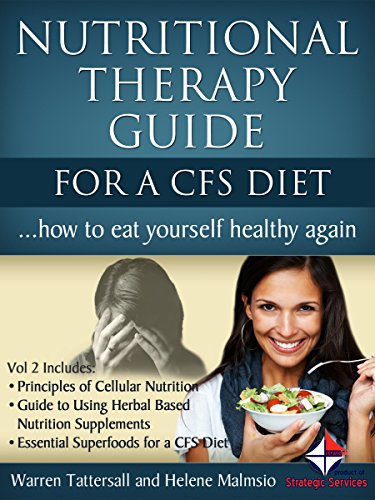
You will find many assorted Health Reports available for download free to you on this website!
Our free Health Success Reports are each available for you to download when you subscribe to receive them and their 7 part eCourse.
You can unsubscribe at any time, but we are sure you will want to receive all the email lessons of these informative ecourses.
Read more HERE to select the REPORT subjects of most interest (or concern) to you.