Sugar vs. Carbohydrates: What’s the Difference for Your Health?


Bread, candy, sugar, pasta - it’s all sugar and carbohydrates. The question stands, what’s the difference in which ones you can or shouldn’t eat?
When it comes to the war on foods, carbohydrates really get a bad reputation. It's unfortunate because carbohydrates have been the lifeblood of human existence for thousands of years. Why do people now think that they’re bad for them?
The reality is that carbs themselves are not bad - it is the processed, sugar-rich carbs which provide the bulk of bad news in your diet.
Here’s the thing: sugar is a nutrient that tastes great, but it is completely non-essential in our diet.
In fact, most unprocessed carbohydrates (fruit, vegetables) will contain a plentiful supply of glucose and fructose to provide energy to the body. There's no need to consume pure sugar.
Processed sugar will provide you nothing but inflammation - inflammation of cardiac muscle, arteries and many other systems - that is completely unnecessary.
So, how do you tell the difference between good sugar (found in wholesome carbs) and bad sugar?
Stay Away from Processed Foods
Processed foods really are the worst thing for you. Yes, they're easy to consume and very tasty, but if you are concerned about your health, this is an area that’s important to pay attention to.
Foods with processed sugar come in many forms, such as cereals, yogurts (high in lactose, another sugar), and pastries. Even some processed meats have sugar-rich sauces on them.
If you’d like to cut down on sugar, simply avoid foods that are overly processed. This will definitely lower your sugar intake each day.
How to Escape the Sugar Trap
As you may know, complex carbohydrates like ancient grains, fruit, and vegetables provide a very good source of metabolized glucose (to fuel the brain) and glycogen (to be stored in muscle and liver).
Eating wholesome foods in their most natural form will always be the easiest way to ensure you are getting the nutrients you want and none of the inflammatory properties of processed sugars.
Do I Need to Completely Eliminate Sugar?
This is something that needs to be clarified. Sugar is not necessarily bad, but the rate at which most people consume it can be very detrimental to your health.
Anything that has insulinogenic properties (in other words, it raises insulin levels) can lead to an imbalance in the body over time.
High-sugar foods are not only addictive to the body and brain, but they also cause massive surges in insulin levels.
The secret? Consume fiber. Fiber has a unique property that not only limits inflammation but also relaxes insulin levels.
For this reason, many who suffer from diabetes consume higher than normal fiber levels to counteract inflammation.
So, if your body doesn’t have insulin issues, a small amount of sugar probably won’t hurt you as long as you can counteract the inflammation it can cause.
Coming Full Circle
The main difference between sugar and carbohydrates is the fiber content and the true nutrients it provides.
Sugar provides only a very short burst of energy, whereas a complete carbohydrate (oats, for example) provides a very good source of vitamins, minerals, fiber, protein, and healthy carbohydrates that are metabolized into glycogen.
Keep it simple and limit your consumption of processed foods, and you will see a major difference in your body composition, strength, and energy levels.
How to Overcome an Urge to Binge by Activating Your Neocortex
Urges to binge come in the form of overwhelming desires to eat large amounts of food in a short period of time. They are characterized by a sense of loss of control, excessive food consumption, and often followed by disappointment and shame.
One doesn't have to have a binge eating disorder or any eating disorder, per se, to be exposed to such urges.
Many people who've gone through a period of restrictive dieting experience at least one strong urge to binge. These powerful compulsions aren't easy to resist. That's why many of us, at some point in our diet, end up reaching for forbidden foods in larger amounts than whats reasonable.
This is how we pave our road to ruin and give way to the well-known yo-yo effect.
As food consumption is an integral part of our daily lives, we don't have the luxury to stay away from it, like in the case of cigarettes, alcohol, drugs or other addictive substances and behaviors.
It's clear that food can't be eliminated from our lives, but our thinking and acting around food can, indeed, be managed and optimized.
How can we rise above our durable desire to indulge in food that doesn't serve us well in the long-term? What can support us in staying faithful to our initial intention for healthy nutrition?
How can we make food choices that we won't regret later?
The Neocortex
The answer is already within you. To be more precise, it is located in the most recently developed region of your human brain called the neocortex.
This part of your brain, especially the prefrontal section, is responsible for:
* Planning and moderating complex behavior (including social behavior)
* Goal setting
* Expression of your personality
* Decision making
Your true self resides in this part of your brain. This is the self that doesn't quickly lose control when exposed to animalistic desires such as an urge to binge.
Using Your Neocortex to Resist an Urge to Binge
How can we call on our neocortex when we want to make conscious food choices?
Follow these steps:
1. Consider your urge to be irrational.
Before you take this step, ensure that you are consuming enough food. If you're restricting your nourishment and starving yourself, then your urge to eat is a legit physiological need that should be met.
* If you're eating enough and still have desires to indulge in fattening foods, consider that desire as brain junk. This act will lift you up to the level of your true-self.
2. Divert your attention.
What you focus on tends to grow. If you find yourself trying to fight your obsessive thoughts, they will only increase in strength and occupy even more of your precious mindspace.
What works better is to shift your focus to something more productive, self-care for example.
* Once you allow yourself to engage in a pleasant or meaningful activity, your neocortex will get engaged, and the grip of your urge will lessen until it leaves you entirely.
3. Reach out to others.
Food can often be used for comfort. Many of us choose to deal with our emotional turmoil by indulging in short-lived pleasures provided by sugary, fattening treats.
To keep this from happening, reach out to family, friends, or even strangers. Experience comfort from human connection.
* In doing so, you're activating the part of your neocortex that regulates social behavior. Once you rise to this level of consciousness, your cravings will crumble down, letting you carry on with your day.
These tips are designed for those who have a relatively healthy relationship with food and experience occasional urges to binge.
If you suffer from an eating disorder, you'll find your best results in consulting professional support and recovery assistance.
Learn more about your health online when you read the rest of our information here about: Fight Disease With Food guide and also download the free health report available there!
Warren Tattersall has been a full time nutritional consultant for over 35 years and works with people all over the world to help them improve their health, increase their personal energy levels and to use supplements to assist with diet related health issues.
Just send him a note on the form here - Contact Us - to request a personal no obligation one-on-one consultation with Warren
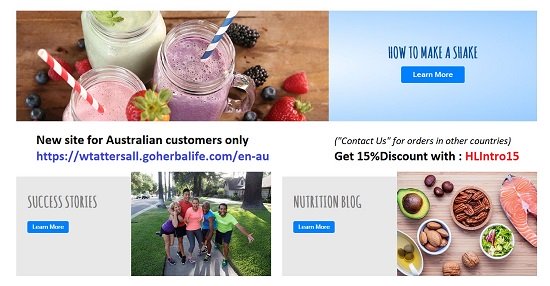
New order website for Australian customers:
For all the subscribers that don't want to talk to anyone, just want to buy their products direct, I'm creating these websites that process orders for you once you register with them.
The Australia GoHerbalifeSite is the first one completed, other countries will come along soon...
Australian customers: Click this link or tap on the banner below to check it out and get registered to place your orders... and remember your 15% discount code: HLIntro15
Did you find this post fun, informative and useful? If so, please share it with others!
If you have a comment, question or suggestion, please leave a comment below!


 BACK TO “Your Health Online”
 the A to Z directory of dealing with Health Problems & Self Care Strategies for natural remedies to your health issues.

Subscribe to get your weekly "Health Success Magazine" with a new complete & comprehensive Health Report in every edition!

to “Your Health Success”
our weekly F’R’E’E’ Newsletter

If you would like a free no-obligation private consultation or to contact Warren Tattersall for more information, please click here >> Contact Us

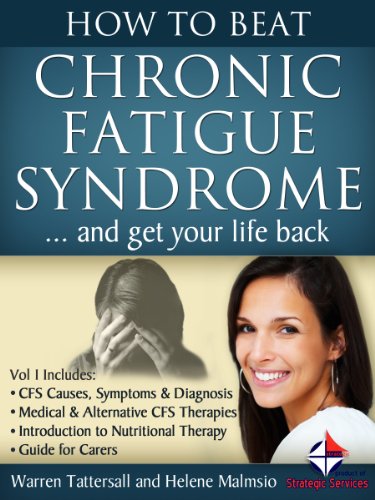
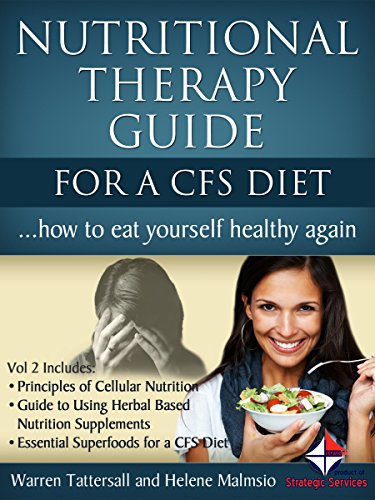
You will find many assorted Health Reports available for download free to you on this website!
Our free Health Success Reports are each available for you to download when you subscribe to receive them and their 7 part eCourse.
You can unsubscribe at any time, but we are sure you will want to receive all the email lessons of these informative ecourses.
Read more HERE to select the REPORT subjects of most interest (or concern) to you.