Habits to Keep You Mentally and Physically Vital, Even as You Age


We all want to stay vital in our golden years. The lifestyle choices you make today play a major role in your future wellbeing.
The number of people 65 or older is expected to double between the years 2000 and 2030 according to U.S. government statistics. Get ready for a long and active life.
Start now to make these 16 practices a regular part of your daily routine.
8 Habits to Keep You Physically Vital
1. Eat more fruits and vegetables.
One of the most powerful changes you can make in your diet is to fill most of your plate with healthy fruits and vegetables.
They're low in calories and packed with essential nutrients. Choosing a variety of colors is an easy way to meet your dietary needs.
2. Switch to healthy fats.
Get about one-third of your calories from healthy fats like olive oil, nuts, and seeds.
Fatty fish like salmon is also a good source of omega-3s that lower the risk of heart disease and other conditions.
3. Start the day with breakfast.
A hearty breakfast makes it easier to resist junk food all day long. Plus, your body needs to refuel after a long night's sleep.
4. Exercise daily.
Train for cardiovascular health, strength, balance and flexibility. Find a variety of activities you enjoy so you'll stay motivated.
5. Watch your weight.
Excess weight can drain your energy and increase your risk for diabetes and other serious health issues. Lose extra pounds gradually rather than resorting to crash diets.
6. Clean up your environment.
You can control some of the substances you're exposed to. Use safe cleaning products like vinegar and wash the pesticides off of produce.
7. See your doctor.
Give your health team all the information they need to help you. Schedule regular checkups and follow their recommendations.
8. Sleep well.
Aim for seven to eight hours of good quality sleep each night. Go to bed at the same time and take naps when you need to catch up.
8 Habits to Keep You Mentally Vital
1. Think positive.
Look on the bright side. Express your gratitude. Show compassion for yourself and others.
2. Nurture close ties.
Stay in touch with family and friends. Consider getting a roommate if you feel isolated living alone.
3. Make new friends.
Reach out to people with similar interests. Join a book club. Invite a new neighbor to join you for coffee or shopping.
4. Volunteer your services.
Get involved in local groups or professional associations. Join the welcoming committees or help plan the annual fundraiser. Tutor children or work in a community garden.
5. Laugh more.
Lighten up. Watch cartoons with your children. Look for the humor in confusing IRS instructions or surprise snow storms.
6. Manage your finances.
Financial pressures can interfere with your wellbeing. Consult a financial advisor if you need guidance with money matters.
Save on a regular basis even if you can put aside only modest amounts.
7. Learn something new.
Stimulate your brain. Teach yourself a foreign language or learn to draw. Play word puzzles or trivia games.
Take dance classes or sign up for adult education courses at a community college.
8. Deal with stress.
Practice relaxation methods that work for you. Good choices include deep breathing, warm baths, and listening to instrumental music.
Turn to your faith tradition for teachings on coping with adversity or read inspirational materials.
Look forward to getting better as you get older. Celebrate your growing wisdom and all those senior citizen discounts that lie ahead.
Keeping yourself in top condition will help you lead a longer and fuller life.
How to Avoid a Food Coma
What happens after Thanksgiving dinner at your house? Do you spend time catching up with family and friends, or do you collapse on the couch feeling like a beached whale?
The medical term for that condition is postprandial somnolence, but you probably call it a food coma. It’s not just limited to the holidays either.
You may feel tired and bloated after a big lunch or anytime you overindulge.
Learn how to enjoy your food without sacrificing your waistline and energy levels. Try these suggestions for putting an end to food comas.
How to Avoid Overeating
There are several theories about why you feel groggy and stuffed after a big meal. However, the most obvious risk factor is eating too much.
Try these tips:
1. Control portion sizes.
You can probably continue to enjoy the foods you love as long as you pay attention to serving sizes.
Learn to recognize what one ounce of cheese or a 2-inch slice of pie looks like.
2. Leave the table.
You may be tempted to nibble if you linger next to the roast chicken or birthday cake. Offer to help clean up or go to another room as soon as you’re done eating.
3. Resist social pressure.
Research shows that your dining partners influence how many calories you consume. Be prepared for loved ones who encourage second helpings.
4. Slow down.
Do you often discover that you’ve eaten more than you intended? Give your body time to feel full. Put your fork down between bites, and chew thoroughly.
5. Manage stress.
Emotional eating is another common obstacle. Find calorie-free methods for dealing with tension, such as listening to music or doing something else that you enjoy.
6. Eat breakfast.
You’re more likely to overindulge if you let yourself become too hungry. Start the day with a hearty breakfast and enjoy a light snack if your stomach starts rumbling long before your next meal.
7. Drink water.
Staying hydrated reduces hunger and enhances your digestion. It also helps you to stay alert.
Other Tips for Preventing Food Comas
Along with how much you consume, the way you eat may play a role too. See if you have any additional habits that could be bringing you down.
These strategies may help:
1. Balance your diet.
Some theories about food comas suggest that dishes high in refined carbohydrates and fat could be the culprit.
Plan your meals and snacks to include a mix of about 50% carbohydrates, 30% protein, and 20% fat.
2. Weigh yourself.
The average adult gains about 1 to 2 pounds each year, which can lead to obesity eventually.
Keeping your eyes on the scale can motivate you to eat healthy.
3. Drink in moderation.
Alcohol contains a lot of empty calories and undermines your willpower. It also has a sedative effect that can make food comas worse.
If you drink, limit yourself to one or two cocktails a day and take some days off from alcohol each week.
4. Sleep well.
Your body and mind need 7 to 8 hours of sleep to function properly. Sleep deprivation disrupts your metabolism and makes you more likely to gain weight.
5. Take a walk.
Regular exercise burns calories and reduces fatigue. Any aerobic activity after a big meal can be especially helpful for waking you up and stimulating your digestion.
6. See your doctor.
An occasional food coma rarely raises much concern, but other causes of fatigue could indicate more serious health issues.
Talk with your doctor if you’re tired for more than a week or notice additional unusual symptoms.
Say goodbye to food comas, so you can enjoy special celebrations more and increase your productivity throughout the year.
When you change your eating habits, you’ll feel lighter and livelier.
Learn more about your health online when you read the rest of our information here about: clean eating guide and also download the free health report available there!
Warren Tattersall has been a full time nutritional consultant for over 35 years and works with people all over the world to help them improve their health, increase their personal energy levels and to use supplements to assist with diet related health issues.
Just send him a note on the form here - Contact Us - to request a personal no obligation one-on-one consultation with Warren
New order website for Australian customers:
For all the subscribers that don't want to talk to anyone, just want to buy their products direct, I'm creating these websites that process orders for you once you register with them.
The Australia GoHerbalifeSite is the first one completed, other countries will come along soon...
Australian customers: Click this link or tap on the banner below to check it out and get registered to place your orders... and remember your 15% discount code: HLIntro15

Did you find this post fun, informative and useful? If so, please share it with others!
If you have a comment, question or suggestion, please leave a comment below!


 BACK TO “Your Health Online”
 the A to Z directory of dealing with Health Problems & Self Care Strategies for natural remedies to your health issues.

Subscribe to get your weekly "Health Success Magazine" with a new complete & comprehensive Health Report in every edition!

to “Your Health Success”
our weekly F’R’E’E’ Newsletter

If you would like a free no-obligation private consultation or to contact Warren Tattersall for more information, please click here >> Contact Us
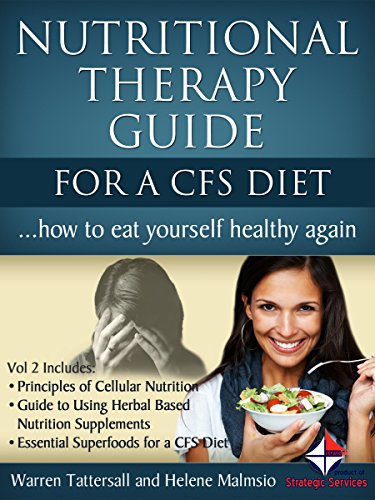
You will find many assorted Health Reports available for download free to you on this website!
Our free Health Success Reports are each available for you to download when you subscribe to receive them and their 7 part eCourse.
You can unsubscribe at any time, but we are sure you will want to receive all the email lessons of these informative ecourses.
Read more HERE to select the REPORT subjects of most interest (or concern) to you.