Deception in the Kitchen: Learn Which Healthy Foods are Hiding Massive Calories


Even healthy foods can be filled with large amounts of calories. If you're on a diet, you may want to limit how much you eat of these healthy, high-calorie foods.
Consider eating these nutritious foods in moderation:
1. Quinoa. Quinoa is an ancient and popular grain. It's showing up in more recipes because it's healthy, delicious, and has a lot of protein.
* One cup of quinoa has about 222 calories. That is about the same calorie count as brown rice.
* The key is to control portion size just as you would for rice or pasta.
* Quinoa can be used in salads, soups, casseroles, and stir-fry. It can also work well as an alternative to bread crumbs for coating chicken or other foods. Quinoa can brighten any skillet meal that has vegetables and meat.
2. Raisins. When you think of healthy foods, raisins are usually on the list.
* Raisins have 129 calories in 1.5 ounces or 43 grams. This is about the size of the small boxes of raisins you see sold in grocery stores.
* It's important to eat raisins in moderation. It's easy to overindulge in them because they're small and tasty.
* Consider adding raisins to oatmeal, cereal, or granola. A small amount can make a good topping for these carbohydrate dishes. Raisins also go well with yogurt and other creamy dishes. You can bake them into cookies, muffins, and other sweets.
3. Peanut butter. This popular item shows up on many healthy meal plans. However, it does have many calories. A tablespoon of peanut butter averages about 100 calories. Peanut butter, eaten in moderation, is beneficial because it provides healthy fat and protein.
* It's easy to eat more than one tablespoon of peanut butter per meal if you coat toast or bread with it.
* You can use it as a spread or dip. Peanut butter can also be used as the base of some sauces, such as peanut sesame sauce. It can be added to granola, smoothies, and other meals. You can also use peanut butter to make bars and cookies.
4. Chia seeds. Chia seeds are small, black or brown seeds. They have been showing up in many foods and products because they're healthy and taste great. Chia seeds have fiber, protein, omega-3 fatty acids, and other nutrients.
* One tablespoon of chia seeds has about 70 calories.
* You often see drinks or smoothies made with these seeds. They're also used to sprinkle things such as granola, oatmeal or other dishes.
5. Olive oil. You've heard about the benefits of using olive oil to cook in the kitchen. It does have many health benefits, along with the many calories.
* Two tablespoons of olive oil can have an average of 238 calories. This can vary based on the brand and type of olive oil. However, any type of olive oil is generally considered a high calorie food.
* You can still continue to cook with olive oil and use it in other ways. The key is not to drench everything in olive oil without thinking about the calories you're adding.
Be on the lookout for high-calorie foods that can affect your diet. Even healthy foods can have a lot of calories. As with any food, eating healthy foods in moderation will help you keep your calories under control.
Curb Emotional Eating and Regain Control
Let’s face it. Most of us have the urge to eat things we know we shouldn’t. And when we’re feeling emotional, the urge can be even stronger. Emotional eating is damaging to your self-esteem and your health. It can even get expensive.
Gaining control over yourself and minimizing your emotional eating can be challenging, but important. There are far healthier ways to deal with emotional discomfort.
Minimize emotional eating with these strategies:
1. Get unhealthy food out of the house. You don’t often hear of someone emotionally eating too much salad, broccoli, or steamed salmon. Give yourself a fighting chance and minimize the opportunity to eat emotionally.
2. Focus on hunger. Before you eat, ask yourself if you’re hungry. Show yourself that you often want to eat even when your body doesn’t want any food. Keep telling yourself that you’re the type of person that only eats when you’re hungry. In time, you’ll grow to believe it.
3. Identify your triggers. Notice when you’re most likely to eat without any discretion. Is it at night? After a conversation with your ex? Financial pressure? Loneliness? Identify your triggers and avoid them or find another way to deal with those times that doesn’t involve food. Retrain yourself to respond in a new way.
4. Focus on being more present. It’s hard to feel stressed or out of sorts when your mind is focused on the present. We can only drive ourselves crazy when we focus on the past or the future. It’s when we’re fantasizing that we get upset. Keep your attention on what you’re doing.
5. Pause. When you get the urge to eat poorly, stop yourself and just sit for a minute. Notice how the urge feels. Where do you feel it? How would you describe it? Sit with it and observe it. Do this for at least 10 minutes. Keep telling yourself that you only eat when you’re hungry. The urge may go away on its own.
6. Relax. When you want to eat, but you know you shouldn’t, try to relax your neck and shoulders. Take a deep breath. Visualize something that you find relaxing. Listen to relaxing music. Do whatever is convenient and soothing. Your urge to eat will be greatly diminished.
7. Celebrate progress. Each time you successfully avoid eating emotionally, congratulate yourself. It gets easier each time you’re successful. Keep the progress going. For some people, it takes surprisingly few successes to make a permanent change.
8. Learn to work through discomfort in other parts of your life. Emotional eating is just an ineffective way of dealing with discomfort. Enhance your ability to deal with unpleasant feelings by experiencing them more often and dealing with them appropriately.
◦ Watch movies or read books that make you uncomfortable and learn to relax through the discomfort.
◦ Keep going when you feel like quitting. For example, maybe you’ve decided to clean the kitchen, but you’re only halfway done and want to quit. Relax, and keep going.
◦ Avoid giving in to the first signs of discomfort.
9. Eat mindfully. Eat slowly and notice how your food tastes and feels. Remove all distractions. Avoid eating while watching TV, talking with friends, or playing on your phone. When you’re eating, all you should be doing is eating.
◦ This is a powerful tactic. You’ll find that many junk foods aren’t enjoyable when you eat them slowly and mindfully.
Emotional eating is a common health challenge. Not only do people overeat, but they eat poorly. Years of emotional eating can lead to obesity and other health issues. Make yourself a priority and curb your tendency to eat emotionally.
Learn more about your health online when you read the rest of our information here about: Fight Disease With Food guide and also download the free health report available there!
Warren Tattersall has been a full time nutritional consultant for over 35 years and works with people all over the world to help them improve their health, increase their personal energy levels and to use supplements to assist with diet related health issues.
Just send him a note on the form here - Contact Us - to request a personal no obligation one-on-one consultation with Warren
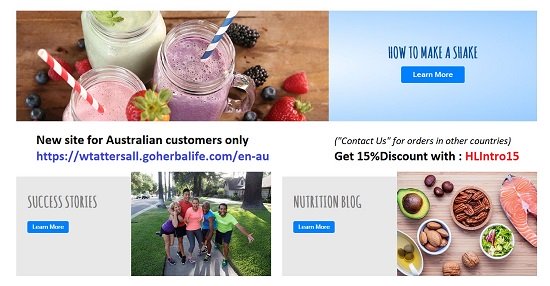
New order website for Australian customers:
For all the subscribers that don't want to talk to anyone, just want to buy their products direct, I'm creating these websites that process orders for you once you register with them.
The Australia GoHerbalifeSite is the first one completed, other countries will come along soon...
Australian customers: Click this link or tap on the banner below to check it out and get registered to place your orders... and remember your 15% discount code: HLIntro15
Did you find this post fun, informative and useful? If so, please share it with others!
If you have a comment, question or suggestion, please leave a comment below!


 BACK TO “Your Health Online”
 the A to Z directory of dealing with Health Problems & Self Care Strategies for natural remedies to your health issues.

Subscribe to get your weekly "Health Success Magazine" with a new complete & comprehensive Health Report in every edition!

to “Your Health Success”
our weekly F’R’E’E’ Newsletter

If you would like a free no-obligation private consultation or to contact Warren Tattersall for more information, please click here >> Contact Us
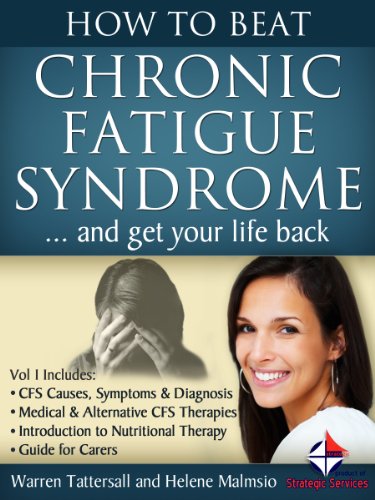
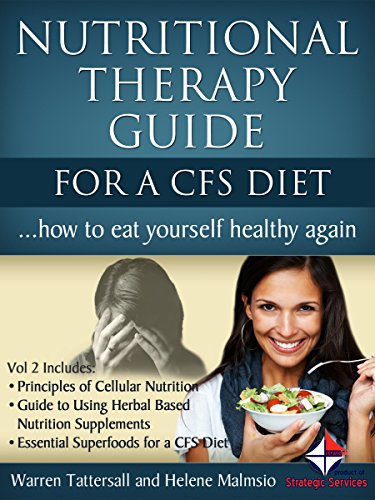
You will find many assorted Health Reports available for download free to you on this website!
Our free Health Success Reports are each available for you to download when you subscribe to receive them and their 7 part eCourse.
You can unsubscribe at any time, but we are sure you will want to receive all the email lessons of these informative ecourses.
Read more HERE to select the REPORT subjects of most interest (or concern) to you.