Common Chemical Food Additives You Want to Avoid


Wait! What's in that delicious muffin you're eating? Maybe, a lot more than you thought! Chemical additives are used to affect flavors or preserve products, and they have other uses.
But these additives can also negatively affect your health, so it's important to pay attention to them. You might be able to find a different tasty muffin without those additives.
Because you never know what might be in a food product these days, it's important to read the ingredient list for each food item before you buy it.
These common food additives could be dangerous to your health:
1. Titanium dioxide.
Titanium dioxide is a common ingredient in sunscreens, but it's also used as a food additive. You may find it in salad dressings, powdered sugars, baked goods and other items.
* The International Agency for Research on Cancer considers titanium dioxide a dangerous food additive and recommends that consumers avoid eating it. The agency labels it as a class 2 carcinogen based on several studies.
* The Food and Drug Administration (FDA) labels it as a GRAS product. GRAS stands for "generally recognized as safe," but titanium dioxide is a controversial ingredient.
2. Sodium benzoate.
Sodium benzoate is used as a preservative in multiple food and drink products such as salad dressings, jams, sodas, and pickles.
* Sodium benzoate can cause allergic reactions in some people.
* One of the main concerns with sodium benzoate is the product that is formed if it's mixed with ascorbic acid. Some food and drink items contain both sodium benzoate and ascorbic acid, so benzene can form. Benzene is linked to cancer in several studies.
3. Brominated vegetable oil.
This additive is found in sodas and has been linked to several health issues.
* The Food and Drug Administration doesn't consider brominated vegetable oil a GRAS (generally recognized as safe) product. In addition, discussions about banning this additive are an ongoing topic.
* Brominated vegetable oil is banned in Europe, and several companies in the U.S. no longer use it.
* This additive can allow bromine to accumulate in your body and reach unsafe levels. Bromine has been linked to thyroid issues, nerve damage, cancers, and other health concerns.
4. Potassium bromate.
It may sound similar to brominated vegetable oil, but potassium bromate is actually a completely different food additive.
* Potassium bromate can be found in breads, flours, crackers and other baked goods. It's banned in multiple countries, and health experts recommend that consumers avoid it because of the health issues.
* This food additive has been linked to cancer.
5. Interesterified fat.
This fat is used to help preserve food and help it last on store shelves. However, it's a controversial additive that has been linked to different health issues.
* Interesterified fat can be found in baked goods, canned soups and other food items.
* Experts are concerned that interesterified fat may be just as dangerous as trans-fat. The additive has been linked to heart disease, high cholesterol, liver issues, blood sugar level issues, and other concerns.
6. BHA (butylated hydroxyanisole).
You may have noticed this common food additive in your cereal, butter, beer, crackers, gum, or potato chips. BHA can also be found in baked goods and preserved meat.
* This food additive is considered a carcinogen by the National Institutes of Health and the Department of Health and Human Services.
* It's a controversial item that continues to be the focus of multiple food safety debates.
* BHA can negatively affect the body in several ways. It can disturb normal sleep patterns and affect your appetite. It can also hurt the kidneys and has been linked to cancer. BHA may cause hair loss and other issues.
By paying attention to the ingredient lists, you can see the common chemical additives in your food. Learn more about their features, uses, and side effects, and take care with what you put into your body with your food.
Are You Suffering From Mental Obesity?
Are you carrying around a lot more information than you’re actually applying to your life? There’s never been more information available. The internet is an endless supply of information.
You can learn about anything you like and become a true expert without ever leaving your home.
But, is that the best use of your time? Is the information you’re gathering useful to your life? Are you applying what you’re learning?
For our purposes, we’re defining mental obesity as the desire to acquire and the acquiring of more information than necessary to optimize your life.
We’ve become overburdened with information and lack the self-management skills to effectively apply that newfound knowledge.
Many of the challenges of life are simple to solve.
For example, if you’re overweight, you’re eating more calories than your body requires. The solution is to eat less.
It’s that simple, but that doesn’t mean it’s easy. You don’t need to learn another diet on top of the 20 you already know.
You also don’t need to learn another exercise routine. If you would simply apply what you know, you’d lose weight and could move on to something else.
Learning is also challenging for your brain. It takes a lot of mental resources. Unless you’re learning something that’s useful to your life, it might be better to apply those resources, and your time, to something more relevant to your life.
Decide if you have the following signs of mental obesity:
1. Do you like to learn, but don’t like to take action?
Are your curious about ancient Egypt? Or maybe you’re fascinated by how a spaceship can make it to Mars and back. Have you learned everything there is to know about being successful but don’t do anything to be more successful?
◦ This is a strong sign that you’re suffering from mental obesity.
2. Are you great at planning, but fail to follow through?
Those that suffer from mental obesity are great planners. In fact, they love it.
They have detailed plans for losing weight, making a million dollars, or living the most exciting year that anyone has ever experienced. However, they never follow through on their plans.
3. Do you believe the answer to your challenges is to learn more?
Mental obesity sufferers are burdened with the never-ending belief that they just need to learn one more thing, and then their problems will be solvable.
Unfortunately, there’s always another thing to learn.
4. Are you the smartest or most knowledgeable person you know, but your life is a mess?
Is everyone stunned by your knowledge but confused by your lack of success? Are you considered to be an underachiever? Are you annoyed because many of the most successful people you know don’t know much?
Mental obesity is a trap that has its roots in the educational system. In school, if you were intelligent and knowledgeable, you were successful.
It’s natural to assume that recipe for success would apply to adulthood, but it doesn’t.
Consider that most of the challenges in your life are easily solved, or easily avoidable by a few simple actions.
Saving money, being healthy, becoming fit, losing weight, earning more money, having stronger relationships, keeping your house clean, and so on are simple to accomplish.
The steps to make them happen just aren’t enjoyable.
Before learning something new, master yourself. Learn how to control yourself and get practice actually doing it.
When you can consistently apply what you already know, then it’s time to learn more. You already know enough to be incredibly successful.
Learn more about your health online when you read the rest of our information here about: Fight Disease With Food guide and also download the free health report available there!
Warren Tattersall has been a full time nutritional consultant for over 35 years and works with people all over the world to help them improve their health, increase their personal energy levels and to use supplements to assist with diet related health issues.
Just send him a note on the form here - Contact Us - to request a personal no obligation one-on-one consultation with Warren
New order website for Australian customers:
For all the subscribers that don't want to talk to anyone, just want to buy their products direct, I'm creating these websites that process orders for you once you register with them.
The Australia GoHerbalifeSite is the first one completed, other countries will come along soon...
Australian customers: Click this link or tap on the banner below to check it out and get registered to place your orders... and remember your 15% discount code: HLIntro15

Did you find this post fun, informative and useful? If so, please share it with others!
If you have a comment, question or suggestion, please leave a comment below!


 BACK TO “Your Health Online”
 the A to Z directory of dealing with Health Problems & Self Care Strategies for natural remedies to your health issues.

Subscribe to get your weekly "Health Success Magazine" with a new complete & comprehensive Health Report in every edition!

to “Your Health Success”
our weekly F’R’E’E’ Newsletter

If you would like a free no-obligation private consultation or to contact Warren Tattersall for more information, please click here >> Contact Us

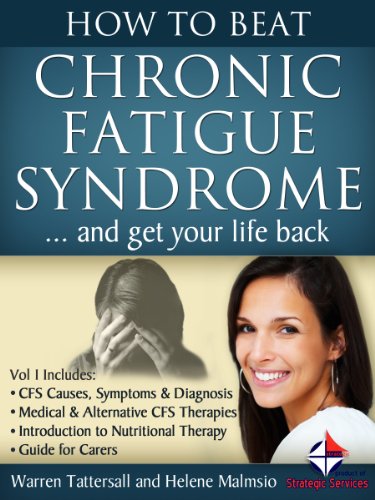
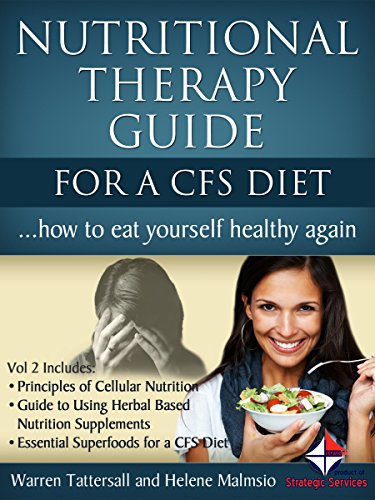
You will find many assorted Health Reports available for download free to you on this website!
Our free Health Success Reports are each available for you to download when you subscribe to receive them and their 7 part eCourse.
You can unsubscribe at any time, but we are sure you will want to receive all the email lessons of these informative ecourses.
Read more HERE to select the REPORT subjects of most interest (or concern) to you.