| Back to Back Issues Page |
 |
|
Your December Health Success Free Monthly ezine December 02, 2025 |
| Hi there
I hope you enjoy the e-zine as much as I do writing it. Index: Warren’s Notes : Hi,
Hi, We have a lot of information for you today. We can start here: Recently I have been doing a little ‘preventative maintenance’ on my own body. Over the last decade I’ve had both hips replaced. In my case I had some ongoing back and hip pain. C’est la vie, as the French would say: That’s life. Deal with it. The hip replacements worked fine but now, some years later, I was having a bit of back trouble again. The point here? Aside from that, we have another article on Dyslexia. Finally, there is an article focused on the Unique Nutritional Needs Of Women. Warm wishes, Warren
Remember, any time you want to learn more about anything in this ezine, or just need a chat about your health, drop me a line and I'll email back as soon as I can, and if you leave your phone number I'll even call you back on my dime!
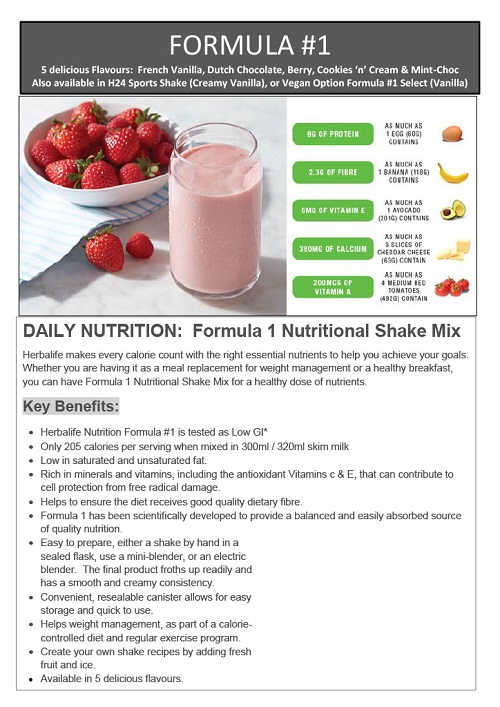
If you are thinking about a meal replacement shake as part of your weight loss/health regime then take the time to consider quality. Herbal.life has one of the strongest nutritional boards in the world. They have purchased large land holdings in many countries to grow the herbs and natural ingredients they need for their products in clean and healthy soil. They constantly improve their products as scientific knowledge advances. The Formula 1 shake is not just a meal replacement, it gives scientifically proven support for your overall health at a cellular level. If you are interested in the highest quality nutrition then check out the Formula 1 Shake details below:
New order website for Australian customers:
Cells are the fundamental unit of the body and make up our tissues, organs and body systems. It is vitally important to take care of your cells, so that they can take care of you. You should nourish them with the vitamins, minerals, antioxidants and other nutrients they need. Herbalife Nutrition’s Cellular Science provides the elements that the body needs on a daily basis to maintain good health. Optimal Health Tip:Preventing Backache.Lower back pain is a common complaint. Four out of five adults have it at one time or another. While only a few cases are serious enough to require hospitalization, and possibly surgery, backaches are a leading cause of absenteeism - second only to colds and flu as a cause of lost work days. Most backaches are due to weakened and inflexible muscles, ligaments, and connective tissue in the back, hips, thighs, and abdomen - primarily caused by a sedentary lifestyle and lack of exercise. Over time, poor posture such as slouching, incorrect ways of sitting, standing and lifting, as well as excess weight, and the resulting stress, are all things that set the stage for painful episodes of back strain. Most back pain is treatable with improved body mechanics and simple exercises that strengthen muscles and foster flexibility in the affected areas. This can also serve as prevention. As a start, take the time to do routine everyday activities in the right way. - When sitting, keep your back straight, shoulders relaxed, and head up. Feet should be flat on the floor, which may mean adjusting the chair height or using a small footstool. Knees should be slightly lower than hips, to take pressure away from the back. A support pad or small pillow between the chair and the lower back can also relieve pressure. When you are working at a computer, the screen should be at eye level. Try not to sit for prolonged periods. If possible, get up and walk around periodically, every half-hour or so. - When you are driving, move the seat close enough so that you can reach the steering wheel and foot pedals without undue stretching and straining. You may want to use a lower back support pad while driving. On long trips, plan to stop, get out and stretch from time to time. - When standing for any length of time, alternate resting each foot on a small stool about six inches high. Or you can improvise with a block of wood or phone books. Change your posture and walk around periodically. - Whenever you are standing, avoid locking your knees and try to pull up with your abdominal muscles. This will keep your pelvis in a more natural position. Ideally, women should wear shoes with low heels no higher than one inch. High heels tend to force the back out of alignment. - When sleeping, use a firm mattress or a plywood panel under a less firm mattress. If recovering from a back injury, you may even wish to sleep on a mat on the floor. Lying on your side with knees bent, a pillow between them, is the best sleeping position. It protects both curvature of the spine and hip alignment. If you prefer to lie on your back, place a pillow under your knees for proper circulation. - Remember that improper bending and lifting are the most common causes of immediate back pain. Always bend from the knees, keeping the back straight, instead of bending at the waist. If you have a history of serious back problems, or if you need the services of a specialist, consult your physician for referrals.
Motivating Quotes: Remember When Insults Had Class?
"He has all the virtues I dislike and none of the vices I admire." - Winston Churchill "I have never killed a man, but I have read many obituaries with great pleasure." - Clarence Darrow "I've had a perfectly wonderful evening. But this wasn't it." - Groucho Marx "I didn't attend the funeral, but I sent a nice letter saying I approved of it." - Mark Twain "A modest little person, with much to be modest about." - Winston Churchill "He has no enemies, but is intensely disliked by his friends." - Oscar Wilde
Natural Health & Beauty Recipes
PAPAYA SMOOTHIE PASSIONATE PEACH SMOOTHIE PEACH SMOOTHIE PEACHES AND DREAMS SMOOTHIE PEANUT BUTTER SMOOTHIE
What is Dyslexia?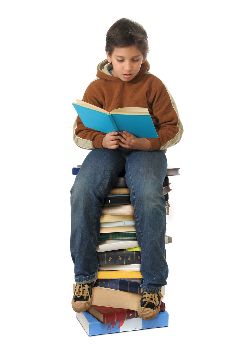 This month our new Dyslexia health guide on the site is to educate you about aspects of maintaining your health with good care.
Dyslexia is often thought of as a childhood problem. Since it is a learning disability, it makes sense that a large portion of the focus is on the education years. Children with this can struggle in many areas of school, making it difficult to thrive without proper support. Though childhood it deserves a great deal of attention, dyslexia in adulthood also deserves attention. In some cases, adults with it may have missed a diagnosis in childhood. They may know that certain things are harder for them, such as reading, but may not know the root cause of it. This Guide will dive into what it is like to be an adult with it, the causes and signs of it, how to get treated for it, and more. History of Dyslexia It’s estimated that 5-20% of the population has dyslexia, with many adults unaware that they are dyslexic. Dyslexia is not related to intelligence. In fact, many people with dyslexia are very intelligent and hardworking. Simply put, individuals with dyslexia have trouble matching sounds to letters and combinations of letters. This difficulty translates to other issues, such as reading fluently or spelling words correctly. Dyslexia falls under the umbrella of “neurodiversity.” Neurodiversity is a word that was created to help bring awareness and foster inclusivity toward those who think differently than those who are “neurotypical.” Other neurological conditions considered neurodivergent are autism, ADHD, and dyspraxia. History of
Dyslexia The word “dyslexia” was first coined in 1887 by a German ophthalmologist named Rudolph Berlin. The term literally meant “difficulty with words.” Before Berlin, German physician Adolf Kussmaul referred to it as “Wortblindheit” or “word blindness.” Kussmaul once noted, “Complete text blindness may exist, although the power of sight, the intellect, and the powers of speech are intact.” How Children Helped Researchers Understand More About Dyslexia William Pringle Morgan, a general practitioner, is also credited with developing our understanding of dyslexia. Previously, some researchers believed that dyslexia may be caused by a brain injury or a disease. Morgan realized that the same symptoms could be found in children who had suffered from neither. Morgan used an account of a real child to show what dyslexia looks like. He describes his subject,
named Percy F., in this manner: Percy F. – a well-grown lad, aged 14 – is the eldest son of intelligent parents, the second child of a family of seven. He has always been a bright and intelligent boy, quick at games, and in no way inferior to others of his age. His great difficulty has been – and is now – his inability to learn to read. This inability is so remarkable, and so pronounced, that I have no doubt it is due to some congenital defect. James Hinshelwood, an ophthalmologist who also studied dyslexia in children, recounted one of his cases in a similar manner. A boy, aged 10 years, was brought to me by his father on Jan. 8th, 1900, to see the reason of his great difficulty in learning to read. The boy had been at school for three years, and had got on well with every subject except reading. He was apparently a bright and in every respect an
intelligent boy… It was soon evident, however, on careful examination that the difficulty in learning to read was due not to any lowering of the visual acuity, but to some congenital deficiency of the visual memory for words. Both men had concluded that intelligence and eyesight were not the problems with either of these children, who excelled in all other areas, but had no success when it came to reading. The Influence of Samuel T. Orton In the early 20th century, American neurologist Samuel T. Orton became interested in dyslexia. In 1925, he developed a theory that dyslexia was the result of the right and left sides of the brain communicating differently. He believed that the difficulty in reading was caused by what he called “strephosymbolia,” which means twisted symbols. He went on to work with educator Anna Gillingham to create a program for children with learning disabilities
that used “simultaneous multisensory instruction” that they felt benefited children with dyslexia. When Dr. Orton died in 1949, his wife and colleague June Orton started the Orton Society Foundation, dedicated to researching dyslexia and providing materials and education for teachers to help those with dyslexia. It’s known today as the International Dyslexia Association. The 1960s to Today For a few years, research on dyslexia waned, but it began getting attention again in the 1960s. In 1962, a British doctor named Alfred White Franklin opened The World Blind Centre. The center brought together leading researchers of dyslexia who were able to continue to better understand dyslexia and provide necessary help and support for dyslexics. In 1970, a neurologist at the center named Macdonald Critchley published the book The Dyslexic Child. This book opened
the door for the idea of “developmental dyslexia” and helped show the need for official attention. In 1972, Specific Dyslexia by researcher Sandhya Naidoo revealed a systematic comparison between dyslexic and non-dyslexic children. She argued that early intervention would lead to greater benefits. In 1985, Texas became the first state to create legislation defining dyslexia. The laws also mandated screening for dyslexia and provided training to teachers. However, the law requiring training for teachers was quickly repealed. In 1990, the United States government established the Americans with Disabilities Act which prevented discrimination against people with disabilities in workplaces and in public places. Support for children has dominated research regarding dyslexia, but today there is also support for adults with dyslexia, which will be discussed in greater detail later in this guide. Types of Dyslexia However, other experts describe different types of dyslexia that can help identify certain tendencies among those with dyslexia. These types include: Australian customers: Click this link to GoHerbalifeSite or tap on the banner above to check it out and get registered to place your orders... and remember your 15% discount code: HLIntro15 International customers please just continue to Contact Us to place orders in other countries outside Australia. I also have a brief outline in this section about our Herbalife Weight Loss Plan (Open page with password: WT ) 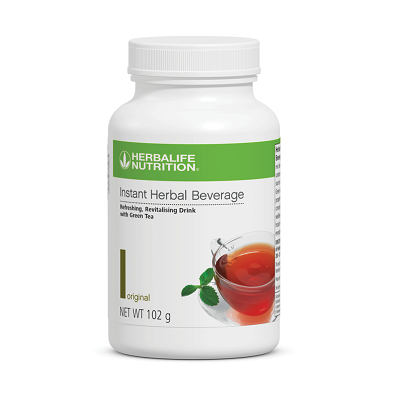
Featured Store Product:THERMOGENISISThe NEW Development in Weight Management and Energy! (Taken from 9 to 5 magazine) Scientists believe the concept of thermogenisis is the most exciting news from weight management research in fifty years. Thermogenisis, meaning the generation of heat, is a normal process, like digestion, in which the body’s brown adipose (fatty) tissue (BAT) burns up the calories your body doesn’t need, thus creating a natural energy. Being overfat or obese, occurs primarily when BAT is not functioning properly, and the body must deal with excess calories by storing them as white fat. Scientists have discovered that by combining specific amounts of certain “totally natural” thermogenetic substances, it is possible to create a basically new compound with an “amazingly safe” thermogenetic action! THERMOGENISIS WILL DO THE FOLLOWING: * Prevent dietary lipids from being stored as white fat * Convert current white fat back into soluble lipids to be burned off * Burn off the soluble lipids * Increase the body’s energy by increasing the flow of blood, oxygen and nutrients to muscle tissue, . . . and * Remove the craving for high calorie food that causes the problem in the first place. THERMOJETICS ™ by Herbalife. THERMOJETICS ™ Beverage can be taken in hot or cold water, added to soup, Orange juice, Tomato juice etc. Only limited by your own creativity. It activates the thermogenetic process as described in article above. Often described as “rocket fuel”, due to the lift in mental clarity and either increased, or more sustainable energy. WHAT PEOPLE EXPERIENCE . . . * Clarity of thinking * Increased energy * Good for hangovers * Feeling of well being * Weight loss * Size loss Visit here to get STARTED on Shop for Instant Herbal Beverage Peach Flavour If you are ordering add our 15% discount code: HLIntro15 to receive discount on your order The Unique Nutritional Needs Of Women
Most females require approximately 2000 calories per day; on average, most men require an additional 800 calories. Keep in mind that these figures can be affected by body size as well as lifestyle. Unfortunately, many women do not know and understand the proper nutritional guidelines they should be following to maintain optimal health. In today’s society women are on the go, working outside the home as well as keeping house and caring for a family; few have time to properly care for themselves. Besides that, we live in an age of ‘thin is beautiful’ and that has led many women to strive to become and stay underweight. This trend has resulted in numerous fad diets and even eating disorders. Needless to say, an eating disorder can destroy one’s overall health – in fact, if not treated, eating disorders can continue until the result is ultimately death from related complications. A healthy diet will include a variety of foods and at least 4 or more meals should be eaten per day. The meals should be small with small, healthy portions. Breakfast should be eaten everyday and the last meal of the day should be eaten at least 3 hours before bedtime. By eating often the body maintains its metabolism rate and the body will never experience that ‘hungry’ feeling that can lead to overeating. Overeating can result in feeling awful later. The use of sugar and salt use be minimized. A healthy weight helps one to feel better and to maintain physical health. A healthy diet helps one to maintain a healthy weight. This is a win- win situation that builds on itself and ultimately results in better health and an overall healthier lifestyle. Because women are more prone to diseases like osteoporosis they have a greater need for calcium supplements than men do. Although men sometimes fall victim to such diseases it is much less common in males. Plus, too much calcium consumption by males has been shown to lead to other health problems for men. Besides calcium, women require a large amount of iron in their diet – this is largely due to the fact that women have a monthly period. This need lessens after menopause. When it comes to menopause some studies have shown that the addition of soy, fiber, and Vitamin E to the diet can assist in decreasing hot flashes. Fiber also helps the heart and colon stay healthier. Caffeine, spices, and alcohol can make hot flashes worse for some women. As women age their bodies go through many changes and their nutritional needs change over the years. A balanced diet with plenty vitamins, minerals, and proteins is always important in maintaining optimal health. Additionally, women need plenty of rest and exercise in order to sustain their health. A doctor should be consulted about any special nutritional concerns or questions. Learn more here Nutrition Based Prevention & Cures to Fight Disease with Food Guide and in our online A-Z Health Guide
Being asked for a Password to view a site page? Not a problem! Some of the site product pages are available only to Subscribers like you to view, that we have ongoing contact with, so they are password protected. Just enter WT (in capitals) to open the page.
Have a Laff! Will the REAL Moron Please Stand Up?
1. When AT&T fired President John Walter after nine
months, saying he lacked intellectual leadership, he
received a $26 million severance package. And it’s supposed
to be Walter who's lacking intelligence?!
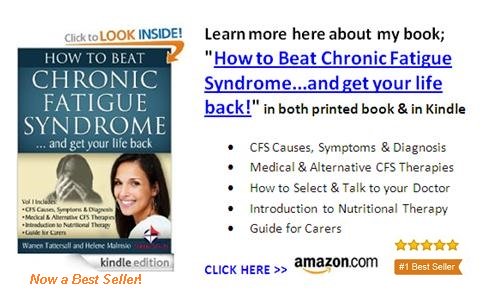
Thank you for joining us this week, I hope that you have found some extra motivation and inspiration to achieve lifetime optimal health! To update yourself on our new resources and lifetime optimal health strategies just go to
Your Health Online at The Health Success Site Your Editor,
The Ultimate Secrets of Healthy Heart & Longevity Finally Revealed! - Learn How You Can Add 10-20 More Years To Your Life By Reversing Arteriosclerosis & Curing Bad Habits 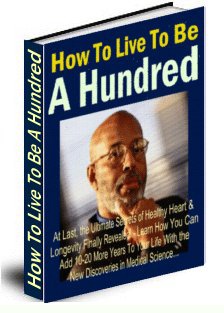 If you are under 20, you can increase your life-span by as much as 15 years. Even if you are over 60, you can still enjoy more than two golden, bonus years by following the advice in this life-changing book! Just mouse over the link below and click "right mouse button" and select "save target as" from the window that appears, to save this 200+ page book to your computer ENJOY!
~~~~~~~~~~~~~~~~~~~~~~~~~~~~~~~ DISCLAIMER: All information is intended for your general knowledge only and is not a substitute for your counselor’s advice or treatment. Use of these products and tips are at your own risk. We make no warranty, express or implied, regarding your individual results. ~~~~~~~~~~~~~~~~~~~~~~~~~~~~~~~ DISCLOSURE: I may be an affiliate for products that I recommend. If you purchase those items through my links I will earn a commission. You will not pay more when buying a product through my link. In fact, I oftentimes am able to negotiate a lower rate (or bonuses) not available elsewhere. Plus, when you order through my link, it helps me to continue to offer you lots of free stuff. :) Thank you, in advance for your support! No Liability This product is provided “as is” and without warranties. Use of this product indicates your acceptance of the "No Liability" policy. If you do not agree with our "No Liability" policy, then you are not permitted to use or distribute this product (if applicable.) Failure to read this notice in its entirety does not void your agreement to this policy should you decide to use this product. Applicable law may not allow the limitation or exclusion of liability or incidental or consequential damages, so the above limitation or exclusion may not apply to you. The liability for damages, regardless of the form of the action, shall not exceed the actual fee paid
for the product. Note: Articles in this ezine may concern health treatments and references to trademark brands. These articles are supplied for entertainment purposes only. Any claims that are made in your use of them and any consequences of your use of them are your own responsibility. You are advised to take legal advice in relation to setting up disclaimers and other aspects of your business. ~~~~~~~~~~~~~~~~~~~~~~~~~~~~~~~ Unsubscribe only if you want to stop receiving this ezine. Instructions are below. ~~~~~~~~~~~~~~~~~~~~~~~~~~~~~~~ |
| Back to Back Issues Page |